煎鍋如何讓食物更美味,同時減少用油量

目錄

煎鍋如何讓食物更美味,同時減少用油量

You can boost flavor in every meal by choosing the right frying pan and using nonstick surfaces. Nonstick pans help you minimize oil usage and support healthy cooking. Oil-free cooking with a nonstick frying pan lets you enjoy tasty food while reducing oil consumption—an easy step for healthy meal preparation and better health.

How Frying Pans Enhance Flavor with Less Oil

Even Heat Distribution for Better Flavor

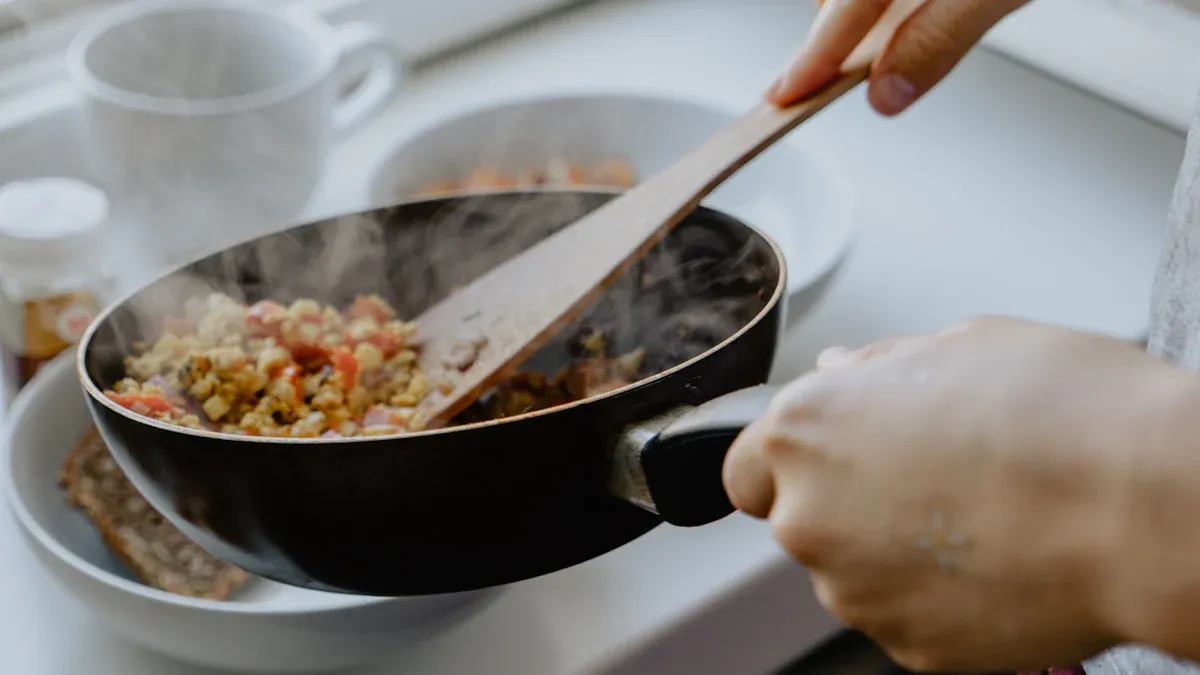
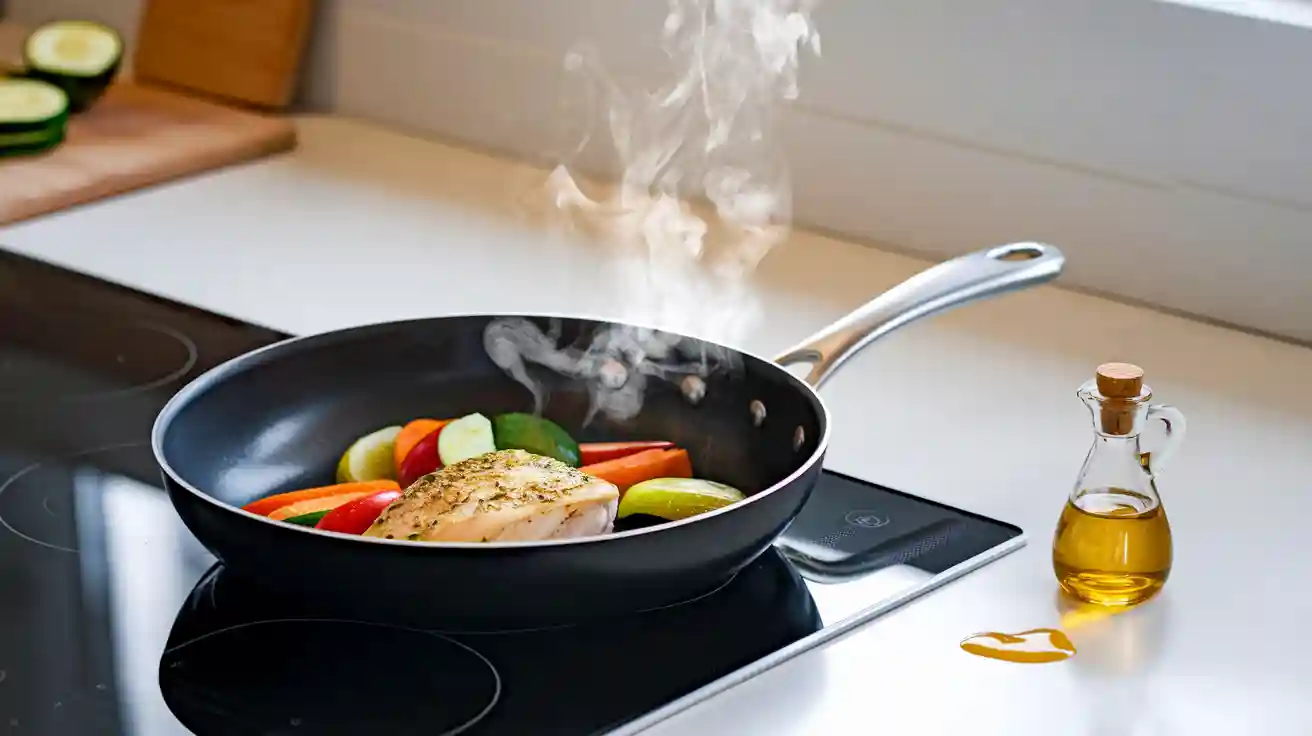
When you use a frying pan with even heat distribution, you get better results with less oil. The energy-efficient base of a good pan spreads heat across the surface. This means your food cooks evenly, so you don’t end up with burnt spots or undercooked areas. Even heat helps you develop a crispy texture and enhanced flavor development, even when you minimize oil usage. 不沾鍋具 makes this process even easier. Food slides out of the pan without sticking, so you can use less oil and still get that improved texture you love.

小提示: Preheat your nonstick frying pan before adding food. This step closes tiny scratches and pores, making the surface even more nonstick and helping you minimize oil usage.

Scientific studies show that heat distribution affects taste and aroma. For example:

  • Frying mushrooms at the right temperature (160–180 °C for 2–3 minutes) brings out the best flavor compounds.
  • Cooking scallops with heat increases sweet and umami amino acids, which boost taste.
  • material of your frying pan 事項。 Aluminum and copper pans conduct heat well but can react with acidic foods, changing the flavor. Stainless steel is less reactive, but lower-quality pans may still affect taste. Choosing the right nonstick cookware helps you avoid unwanted flavors and get the most out of your ingredients.

The Maillard Reaction in Frying Pans

You might wonder why browned food tastes so good. That’s the Maillard reaction at work. When you heat food above 285°F and keep the surface dry, sugars and amino acids react to create new flavors and aromas. You don’t need a lot of oil for this magic to happen. A hot, nonstick frying pan and a dry surface are the real keys. Oil helps transfer heat and keeps food from sticking, but you can still get that golden crust with minimal oil consumption.

  • Roasting or searing at high temperatures gives you a crispy, flavorful exterior with less oil.
  • Searing proteins before slow-cooking or sous vide adds deep flavor without extra oil.
  • Controlling moisture and temperature lets you enjoy the Maillard reaction while keeping oil consumption low.

A study found that heating sunflower seed meal with a small amount of oil at 120°C created nutty aromas and rich flavor. You can use similar techniques at home. Just dry your food, preheat your nonstick cookware, and let the Maillard reaction do the rest.

Using Natural Oils from Ingredients

Some foods release their own natural oils during cooking. When you fry with less added oil, these natural oils help build flavor with aromatics and improve texture. For example, when you cook foods like mushrooms or fatty cuts of meat, their oils seep out and mix with the pan’s surface. This process creates new flavor compounds and helps you reduce oil consumption.

方面 摘要
Ingredients releasing natural oilsMost natural oils come from the frying oils themselves, like canola or sunflower oil. Some foods, such as fatty meats, also release oils.
化學變化Oils break down and create new flavor compounds, like pyrazines and lactones, which give fried foods their signature taste.
Effect on flavor and textureThese oils coat the food, making it crisp and tasty. They also move inside the food as it cools, adding more flavor.
抗氧化劑Adding herbs like rosemary can help keep oils fresh and preserve flavor.

You can also use natural ingredient oils, like olive or sesame oil, to add unique flavors. Ancient cooks used animal fats and plant oils to create delicious fried foods. Today, you can choose oils that match your favorite tastes. Nonstick cookware lets you use just a little oil, so you get all the flavor with less oil consumption.

Note: Try adding aromatics like garlic, onions, or herbs to your pan. They release their own oils and scents, making your food even more flavorful.

Cooking with Less Oil: Tools, Techniques, and Choosing the Right Frying Pan

Cooking with Less Oil: Tools, Techniques, and Choosing the Right Frying Pan

Nonstick, Cast Iron, and Carbon Steel Frying Pans for Oil-Free Cooking

Choosing the right frying pan makes oil-free cooking much easier. Nonstick cookware stands out because it lets you cook eggs, pancakes, and even delicate fish with 幾乎沒有油. You still need a small amount of oil for flavor and heat transfer, but nonstick pans help you reduce oil consumption and keep food from sticking. Cast iron and carbon steel pans also work well for oil-free cooking, but they need seasoning. Seasoning means you rub a thin layer of oil on the pan and heat it, which fills tiny holes in the surface. This creates a natural non-stick layer. Carbon steel pans have smaller pores than cast iron, so they need less oil and less time to build up a smooth surface. Cast iron pans need more oil and more seasoning, but both types can handle high heat and last for years if you take care of them.

平底鍋類型Oil Usage for CookingSeasoning Requirement耐熱性Notes on Oil Usage and Cooking
不粘Little to no oil needed; ideal for low-fat cookingNo seasoning neededNot suitable for high heatDesigned to cook delicate foods without sticking
鑄鐵Requires more oil for seasoning and cookingNeeds extensive seasoning due to deep pores可以承受高溫Oil maintains seasoning and prevents sticking
碳素鋼Requires oil for seasoning but less than cast ironEasier and quicker seasoning due to smaller pores可以承受高溫Once well-seasoned, can be used with less oil

不沾鍋具 is perfect for cooking with less oil and preventing food from sticking. Cast iron and carbon steel need a bit more care, but they reward you with great flavor and durability.

Preheating and Using Oil Sprays to Minimize Oil Usage

Preheating your pan is a simple trick that helps you get optimal cooking results. When you heat the pan before adding food, you close tiny scratches and pores, making the surface even more nonstick. This step helps you use less oil and keeps food from sticking. Oil sprays can also help you control oil consumption. A quick spritz covers the pan with a thin layer, so you use just enough oil for flavor and heat transfer. Some people use oil misters instead of store-bought sprays because they avoid additives and give you more control. Be careful with sprays on nonstick cookware, though. Too much spray can build up and damage the coating over time. Try using a brush or paper towel to spread a small amount of oil for even better results.

Tip: Always preheat your nonstick pan for a minute or two before adding food. This helps you get the best nonstick performance and use less oil.

Cooking with Broth or Water for Flavorful, Low-Oil Meals

You can make tasty meals by cooking without oil and using broth or water instead. Broth adds moisture and boosts flavor, while water keeps food from burning. If you use hard water, it might give food a strange taste, so try filtered water or broth for the best results. Cooking with broth or water helps you reduce oil consumption and cut down on calories and fat. Oil has about 120 calories per tablespoon, so skipping it supports healthy meal preparation and better heart health. Sautéing veggies with a splash of broth keeps them crisp and colorful. You can also use this method for low-oil stir-frying and restaurant-quality stir-fries.

  • Sauté with 1-2 tablespoons of broth or water for browning and flavor.
  • Baking and roasting work well with vegetable stock or fruit purée instead of oil.
  • Oil-free cooking helps you avoid greasy textures and keeps meals light.

Scientific studies show that cooking with minimal liquid and short times helps keep nutrients and flavor in your food. Broth or water lets you enjoy oil-free cooking while still getting great taste and texture.

Avoiding Overcrowding for Crisp, Tasty Results

If you want crisp, delicious food, don’t overcrowd your frying pan. When you add too much food at once, moisture gets trapped and turns to steam. This makes food soggy instead of crispy. The pan’s temperature drops, so you lose the Maillard reaction that gives food a golden crust and rich flavor. For the best results, cook in batches and give each piece of food space to touch the pan. This way, you keep the heat high and get optimal cooking results every time.

  • Overcrowding lowers the pan’s temperature and stops browning.
  • Moisture pools in the pan, causing food to steam instead of fry.
  • Give food space to keep it crisp and full of flavor.

Note: For perfect stir-fry or sautéed dishes, always cook in small batches. This keeps your food from sticking and helps you get that restaurant-quality stir-fry texture.

Best Frying Pan Materials for Cooking with Less Oil

Not all pans are created equal when it comes to oil-free cooking. Nonstick cookware, especially those with ceramic coatings, are the top choice for cooking with less oil. Brands like GreenPan, Caraway, and Figmint make pans that let you cook eggs, pancakes, and veggies with almost no oil. Stainless steel pans are great for even heating, but they don’t focus on reducing oil consumption. Ceramic-coated nonstick pans are your best bet for oil-free cooking and easy food release.

Cooking tests in real kitchens show that pans like Scanpan and Tramontina work well for oil-free cooking. Chefs flip omelets and sear fish without sticking or leaving residue. Some pans, like Le Creuset, don’t perform as well for oil-free cooking because food sticks more. Always look for nonstick cookware with a good reputation for durability and easy cleaning.

Simple Maintenance for Long-Lasting Flavor

Taking care of your frying pan helps you keep cooking with minimal oil and enjoy great flavor for years. For cast iron and carbon steel, avoid harsh soaps and never put them in the dishwasher. Wipe them clean, dry them well, and rub with a little oil to keep the seasoning strong. Stainless steel pans are tough and can go in the dishwasher, but hand washing keeps them looking new. Nonstick cookware needs gentle care—use soft sponges, avoid metal utensils, and never overheat. Replace nonstick pans if the coating wears out.

平底鍋類型維護建議
碳素鋼Season with oil, clean with a damp cloth, dry and oil before storing. Builds a non-stick patina over time.
鑄鐵Season regularly, preheat gently, clean with hot water, dry and oil after use. Never use the dishwasher.
不銹鋼Preheat before cooking, use oil to prevent sticking, clean with soapy water, hand wash preferred.
Non-stick (PFOA-free)Use low to medium heat, avoid metal utensils, hand wash, use small amounts of oil, avoid sprays, replace as needed.
Ceramic Non-stickFollow manufacturer instructions, avoid high heat, guaranteed for long life.

A well-maintained pan helps you reduce oil consumption, prevents sticking, and keeps your food tasting great.

Easy, Flavorful Recipes for Oil-Free Cooking

You can make delicious meals with oil-free cooking. Try these simple ideas to get started:

  • Sauté onions, peppers, and mushrooms in a nonstick pan with a splash of broth. Add garlic and herbs for extra flavor.
  • Make a veggie stir-fry with broccoli, carrots, and snap peas. Use a ceramic nonstick pan and a little water or broth. Finish with soy sauce or lemon juice.
  • Cook eggs or omelets in a nonstick skillet with no oil. Add spinach, tomatoes, and cheese for a healthy breakfast.
  • Roast potatoes or sweet potatoes with vegetable stock and your favorite spices. Bake until crispy and golden.

Oil-free cooking lets you enjoy healthy meals without losing flavor. With the right nonstick cookware and a few smart techniques, you can make every meal tasty and satisfying.


You can maximize flavor with less oil by picking the right frying pan and using smart techniques. Try searing meats, using natural fatsexperimenting with nonstick pans. Healthier meals are possible every day. Don’t worry if you face challenges—adjust your methods and enjoy the great taste of lighter dishes.

常見問題

Can I get restaurant-quality stir-fries with oil-free cooking?

You can achieve restaurant-quality stir-fries by using a nonstick frying pan, preheating your pan, and cooking with minimal oil. This method helps maximize flavor and prevents sticking.

How do I prevent food from sticking when cooking with less oil?

Try nonstick cookware or a well-seasoned cast iron frying pan. Preheating your pan and using oil sprays help minimize oil usage and improve texture while preventing food from sticking.

What’s the best way to build flavor with aromatics during healthy meal preparation?

Sauté aromatics like garlic and onions in a non-stick frying pan. Use broth or water instead of oil. This technique helps you reduce oil consumption and enhances flavor development.

Tip: Even heat distribution in your frying pan gives you optimal cooking results and improved texture, even when you’re cooking without oil.

雷蒙德的照片

林峰

您好,我是這篇文章的作者。我們是杭州萬能實業科技有限公司,擁有超過10年的廚房電器製造經驗,是業界專家。我們致力於為全球客戶提供高品質、高性價比的智慧廚房解決方案。

歡迎分享此頁面:
產品分類
立即獲取免費報價!
聯繫表格演示(#3)

Related Products

相關新聞

比較2025年最佳不鏽鋼咖啡機型號。看看哪款咖啡機沖泡的咖啡最好喝,保溫效果最佳,並且能輕鬆融入您的早晨習慣。
比較2025年最適合家用咖啡沖泡的滴漏咖啡器具。尋找最適合您廚房的、口感、便利性和性價比最高的咖啡滴濾咖啡器具。
使用咖啡濾紙來製作法式濾壓壺咖啡,可以帶來更順滑的口感、更少的咖啡渣,以及更健康的咖啡體驗。幾個簡單的步驟,就能享用更乾淨、更美味的咖啡。
為您的辦公室找到最佳的星巴克咖啡機,透過比較容量、功能和易用性等因素來比較不同型號,從而提高工作效率。
比較2026年最佳手動磨豆機。看看哪款手動咖啡磨豆機能為您的沖泡提供最佳的研磨均勻度、便攜性和性價比。
來看看 2026 年十大最佳法式濾壓咖啡壺,專家對每位咖啡愛好者的品質、耐用性和功能進行了評測。
查看 2026 年十大最佳濃縮咖啡研磨機。比較功能、研磨品質和價格,找到您今年理想的濃縮咖啡研磨機。
定期清潔咖啡機零件可以去除積垢,改善咖啡口感,防止黴菌滋生,並延長機器的使用壽命。以下是簡單的清潔步驟。
回到頁首

立即獲取免費報價!

聯繫表格演示(#3)
使命