
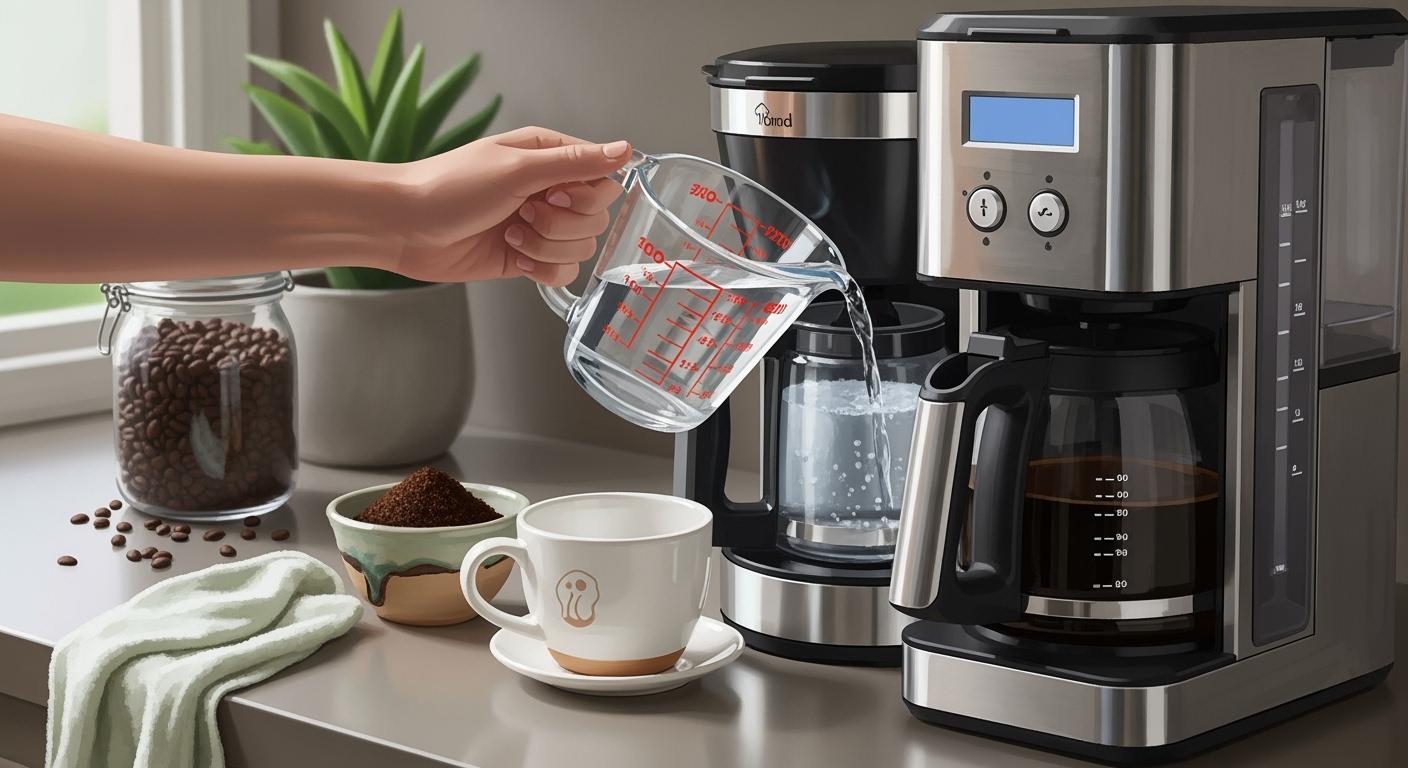
You want your coffee to taste great every time, right? Cleaning coffee maker parts on a regular schedule helps you get that rich, fresh flavor in every cup. When you skip cleaning a coffee maker, limescale and grime can build up fast. Hard water makes this even worse by clogging the inside and slowing things down. If you scrub and descale often, you keep your machine running smoothly and avoid repairs. The best part? You only need common items like soap and water to do the job.
Key Takeaways
Clean your coffee maker often to make coffee taste better. Old oils and minerals can make coffee taste bad. They can cause it to be bitter or sour.
Cleaning is good for your health. Germs and mold can grow inside coffee makers. Cleaning often keeps your coffee safe to drink.
Use things like vinegar and baking soda to clean well. These items are safe for your coffee maker and the planet.
Make a cleaning schedule. Clean every day to stop buildup. Do a deep clean once a month to keep your coffee maker working well.
Look for signs your coffee maker needs cleaning. Strange tastes or slow brewing mean it needs care. Fix these problems quickly to keep it working right.
Why Cleaning Coffee Maker Matters
Better Coffee Taste
You want your coffee to taste good every day. If you do not clean coffee maker parts, old coffee oils and minerals stay inside. These things can make your coffee taste bad, like bitter or sour. Sometimes, it can even taste like metal. Experts say old coffee oils can spoil and ruin your drink.
Cleaning your coffee maker often stops these bad tastes before they start.
Dirty machines can cause:
Bitterness that was not there before
Sour or paper-like flavors
A weird taste that stays in your mouth
A study showed that cleaning coffee makers every week or day made coffee taste better. You will taste the difference in each cup.
Health and Hygiene
You may not see it, but germs and mold can hide in your coffee maker. Warm and wet spots, like the water reservoir, are great for bacteria to grow. Studies found about half of coffee makers had mold or yeast inside. Some even had coliform bacteria, which is not safe near your drink.
Common germs found in dirty coffee makers:
Mold and yeast
Coliform, Enterococcus, and Pseudomonas bacteria
Drinking coffee from a dirty machine can make you sick. Bad bacteria and mold can hurt your health, especially if you get sick easily. Cleaning your coffee maker keeps your coffee safe to drink.
Machine Longevity
You pay a lot for your coffee maker, so you want it to last long. Hard water leaves limescale, which is a white powder that blocks the inside. This makes your machine work harder and can break it after a while.
Problems caused by mineral buildup:
Longer time to brew coffee
Water temperature changes
Water lines get blocked
Cleaning your coffee maker often helps stop these problems. You keep your machine working well and save money on repairs.
Supplies for Cleaning a Coffee Maker
Household Items Needed
You do not need special tools to clean your coffee maker. Most things you need are already in your kitchen. These items work well for cleaning:
White vinegar: Mix vinegar and water. This helps remove limescale and minerals inside your machine.
Baking soda: Use one part baking soda and two parts hot water. This is good for cleaning glass or thermal carafes.
Warm soapy water: Wash the brew basket, carafe, and sprayer head with warm, soapy water. This gets rid of coffee oils and stains.
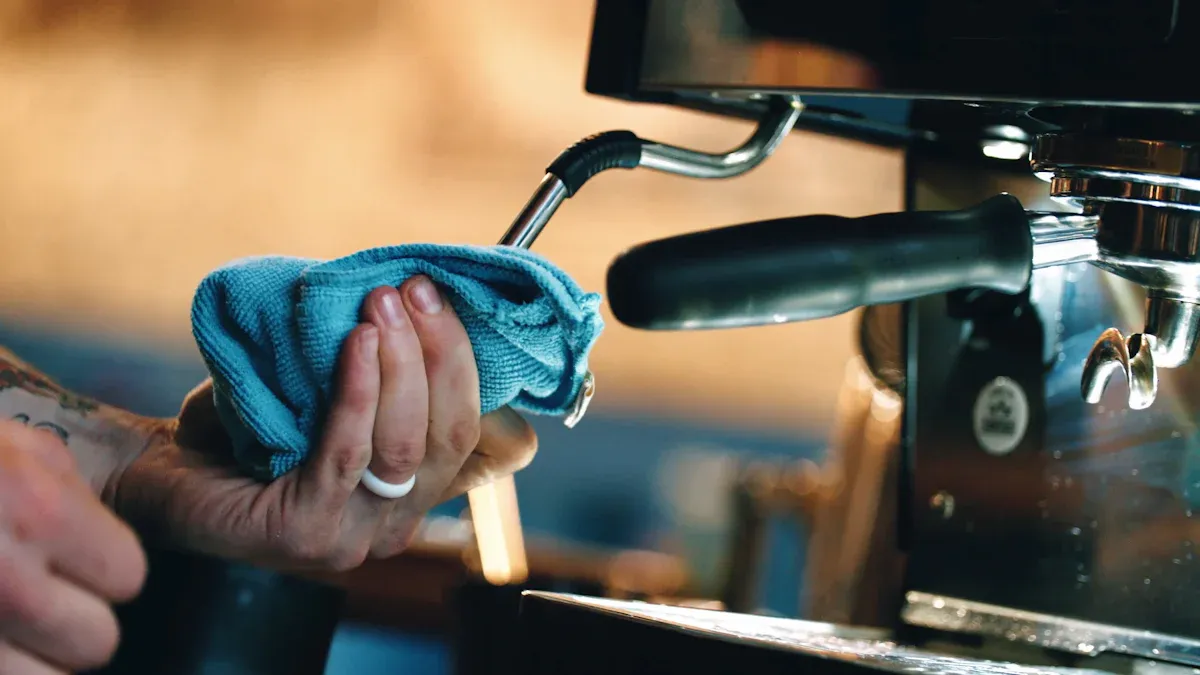
Soft sponge or cloth: Wipe the outside and hotplate. This will not scratch the surface.
Paper towels or a clean dish towel: Dry all the parts after you wash them.
Tip: You can use these items for regular cleaning. They also work for deep cleaning when your coffee maker needs extra care.
Optional Cleaning Products
Sometimes you want to clean more than usual. You might find special coffee maker cleaners or descaling solutions at the store. These products help with deep cleaning. They are useful if you have hard water or use your machine a lot. Many commercial descalers have phosphates. If you pour them down the drain, they can hurt rivers and lakes. Too much algae can grow, and this is bad for fish and other animals. Household cleaning solutions like vinegar and baking soda are safer for nature.
If you want to use a store-bought cleaner, read the label and follow the instructions. You can also use household items for most cleaning jobs. They work well for daily cleaning and deep cleaning. They are gentle on your coffee maker and better for the planet.
Steps to Cleaning a Coffee Maker
Cleaning coffee maker parts does not have to feel like a chore. You can follow these step-by-step instructions to keep your machine fresh and your coffee tasting great. These steps to cleaning a coffee maker work for most drip, single-serve, and even espresso machines. Let’s get started!
Remove Coffee Grounds and Carafe
Unplug your coffee maker. Safety comes first.
Take out the carafe, brew basket, and any reusable filters.
Dump used coffee grounds into your trash or compost. Coffee grounds help your garden soil.
Rinse the filter under warm water. Use gentle pressure to push out leftover grounds. A soft toothbrush helps with stubborn spots.
Wash the carafe, basket, and filter with warm, soapy water. If your parts are dishwasher-safe, you can use the dishwasher.
Dry all parts with a clean towel.
Tip: Don’t forget to clean your filter basket after every use. Skipping this step can cause clogs and bad smells.
Prepare Vinegar Solution
You need to remove mineral buildup inside your machine. Mix equal parts of white vinegar and water. For a standard drip coffee maker, use up to 4 cups of undiluted vinegar if you want a stronger clean. Pour the solution into the water reservoir.
Run Cleaning Cycle
Start a brew cycle as if you were making coffee, but do not add any coffee grounds. Let the vinegar solution fill the carafe halfway, then turn off the coffee maker. Let it sit for about 30 minutes. This pause helps the vinegar break down limescale and grime inside the machine.
After 30 minutes, turn the coffee maker back on and finish the brew cycle. Pour out the vinegar solution from the carafe.
Rinse with Fresh Water
Fill the reservoir with clean water. Run a full brew cycle to rinse out any vinegar taste or smell. Repeat this step at least two more times. Three rinse cycles make sure your next cup of coffee tastes fresh and clean.
Note: If you still smell vinegar, run another rinse cycle with fresh water.
Wash Removable Parts
Wash the carafe, filter basket, and any other removable parts again. Use warm, soapy water and a soft sponge. Rinse well and dry with a clean towel. Make sure no soap or residue stays behind.
Clean Hotplate and Exterior
Wait for the hotplate to cool down. Lay a wet paper towel over the plate if you see stubborn stains. Let it sit for a few minutes, then wipe clean. Use a damp cloth to wipe the outside of your coffee maker. Buff with a dry cloth for a shiny finish.
Tip: Never use bleach or abrasive cloths. These can damage your machine.
Air Dry and Reassemble
Let all parts air dry completely. This step helps prevent mold and bacteria. Once everything is dry, put the carafe, basket, and filter back in place. Plug in your coffee maker. You are now ready to brew a fresh pot!
Following these steps to cleaning a coffee maker keeps your machine in top shape. You will notice better taste, fewer odors, and a longer-lasting coffee maker. If you want to clean drip coffee maker models, single-serve, or espresso machines, these basics still apply. Just check your manual for any special instructions.
Cleaning coffee maker parts regularly means you get the best cup every time.
Cleaning Frequency
Daily and Weekly Cleaning
You want your coffee to taste great every day. That means you should make daily cleaning a habit. Wipe down the outside, empty the grounds, and wash the carafe and filter basket after each use. This keeps germs and old coffee oils away. Most coffee maker manufacturers say daily cleaning is essential for the best performance.
For weekly cleaning, take a little more time. Clean all removable parts with warm, soapy water. Check for any buildup or stains. A weekly routine helps your machine last longer and keeps your coffee fresh.
Tip: Daily cleaning stops bacteria and mold from growing. Weekly cleaning keeps your machine running smoothly.
Deep Cleaning Schedule
Sometimes, your coffee maker needs more than just a quick wash. Deep cleaning removes hidden grime and mineral deposits. Most experts suggest you do a deep cleaning once a month. If you notice any of these signs, you should clean your machine right away:
Your coffee tastes strange, bitter, or metallic.
The brewing time gets longer.
You see residue or stains inside the reservoir or basket.
Mold or mildew appears, or you smell something musty.
The machine does not brew a full pot or water flow slows down.
Deep cleaning helps your coffee maker work like new and keeps your coffee tasting its best.
Adjusting for Usage
How often you clean your coffee maker depends on how much you use it and your water type. If you brew coffee every day or have hard water, you may need to clean more often. Watch for signs like odd flavors or slow brewing. These mean it is time to clean, even if it is not on your schedule.
Clean at least once a month.
Clean more often if you use your machine daily or have hard water.
Regular cleaning keeps your coffee maker in top shape and your coffee tasting great.
Remember: A clean coffee maker means better flavor and a longer-lasting machine.
Troubleshooting and Maintenance
Persistent Stains or Odors
Sometimes, you notice your coffee maker smells weird or has stubborn stains that just won’t go away. You can tackle these problems with a few simple steps:
Mix one part white vinegar with two parts water. Pour this into the water reservoir.
Let the solution sit for 15 to 30 minutes. This helps break down tough stains and odors.
Wipe the inside parts with a microfiber towel dipped in the solution.
Run a brew cycle with the vinegar mix, just like you’re making coffee (but don’t add grounds).
After cleaning, run two or three cycles with plain filtered water. This flushes out any leftover vinegar smell.
Tip: If you still notice a strange odor, repeat the rinse cycles until the smell disappears.
Preventing Build-Up
You want your coffee maker to stay clean and work well. Here are some easy ways to stop mineral and coffee oil buildup:
Rinse all removable parts with hot water after each use.
Use a vinegar and water solution regularly to fight mineral deposits.
Choose filtered water for brewing. This keeps minerals out and makes your coffee taste better.
Regular cleaning keeps your machine running smoothly and helps you avoid costly repairs.
Signs of Needed Cleaning
Your coffee maker gives you clues when it needs attention. Watch for these signs:
Bitter taste or odd smell in your coffee
White residue or scaling inside the reservoir or basket
Brewing takes longer than usual
If you notice any of these, it’s time to clean your machine. Descale your coffee maker if brewing slows down. Always check your manual for special cleaning tips.
Here’s a quick look at common reasons coffee makers fail:
Reason for Failure | Description |
|---|---|
Electrocution | Faulty wiring or poor design can cause electric shocks. |
Fire Hazard | Bad cords or wiring may lead to fires. |
Burns | Hot water and heated parts can cause burns. |
Cuts | Broken glass carafes can lead to cuts. |
Overflows | Loose filter baskets may cause hot water spills. |
Thermostat Malfunction | Overheating from bad thermostats can be dangerous. |
Design Flaws | High steam pressure in some machines can cause parts to pop off. |
Recalls | Some machines have been recalled for safety issues. |
Stay safe by cleaning your coffee maker often and checking for any damage or wear.
Cleaning your coffee maker keeps every cup tasting fresh and smooth. You protect your health by stopping mold before it starts. Regular care also helps your machine last longer and saves you money.
Many users say their coffee makers last 5 to 15 years with simple cleaning.
Studies show that skipping cleaning lets mold grow, which can cause allergies.
Set a quick cleaning routine. You will enjoy better coffee and a machine that sticks with you for years. ☕️
FAQ
How often should I clean my coffee maker?
You should rinse and wash removable parts every day. Deep clean your machine once a month. If you use it a lot or have hard water, clean more often.
Can I use lemon juice instead of vinegar?
Yes, you can use lemon juice. It works well for removing mineral buildup and leaves a fresh scent. Use the same amount as vinegar.
Is it safe to put coffee maker parts in the dishwasher?
Most glass carafes and filter baskets are dishwasher-safe. Always check your manual first. Some plastic parts may warp in high heat.
What if my coffee still tastes bad after cleaning?
Try running another rinse cycle with fresh water. Stubborn flavors may need extra rinsing. If the taste stays, check for old coffee oils or replace your water filter.