
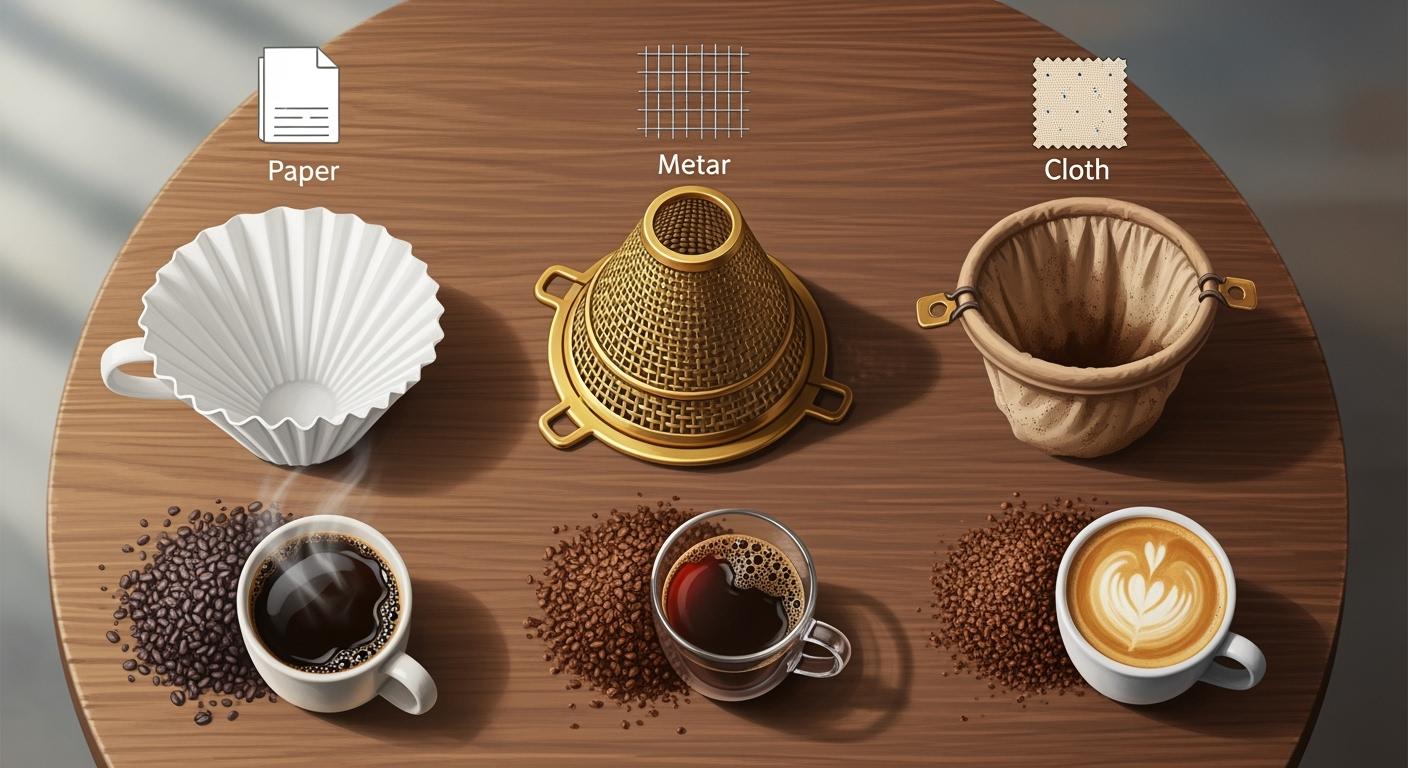
When you brew coffee, your choice of coffee filters really matters. Most people use bleached paper filters, which make up about 65% of the market. Unbleached paper filters also have a strong following, especially among eco-conscious drinkers. The kind of filter you pick can change the taste of your coffee and how easy cleanup feels. Many people now look for filters that break down quickly and keep the flavor pure. As you read, think about what you like in your daily cup and how your habits match these options.
Key Takeaways
Pick paper filters if you want clean coffee. They catch oils and grounds. This helps bring out gentle flavors.
Metal filters make coffee taste rich and strong. You can use them again and again. This saves money and makes less trash.
Cloth filters give a good mix of taste and are good for the earth. They let some oils pass but can be used many times. This means less garbage goes to landfills.
Think about how you brew coffee when picking a filter. Different shapes and materials can change the taste.
Remember how your filter choice affects the earth. Metal and cloth filters can be used again. They are better for the environment.
Types of Coffee Filters
Main Filter Materials
When you start brewing coffee, you notice there are a few main types of coffee filters. You see paper, metal, cloth, and sometimes even plastic filters. Each one changes your coffee in a unique way.
Paper filters are the most common. They give you a clean cup because they catch almost all the oils and tiny grounds. This makes your coffee taste bright and clear, but you might miss out on some deeper flavors and aromas. If you like a crisp taste, paper filters work well.
Metal filters let more oils and small particles through. You get a richer, fuller cup with a heavier body. The coffee feels smooth and bold, and the acidity drops a bit. Many people love this style for its strong flavor.
Cloth filters sit somewhere in the middle. They block all the grounds but let the oils pass. Your coffee tastes clean but still has a rich mouthfeel and nice aroma. Cloth filters give you a balanced cup.
Plastic filters are less common. You usually find them as reusable holders for paper filters. They do not change the flavor much, but they add convenience.
Tip: If you want to taste every note in your coffee, try switching between these types of coffee filters. You might find a new favorite!
Filter Shapes: Cone, Basket, Disc
You also need to think about the shape of your filter. The main shapes are cone, basket, and disc. Each one works best with certain brewing methods.
Cone filters help water flow evenly through the coffee grounds. This shape gives you a more complex and flavorful cup. Many pour-over fans choose cone filters for this reason.
Basket filters look flat and wide. They are great for making large batches of coffee. You often see them in drip coffee makers. The flavor is smooth and mild.
Disc filters are small and round. You use them in devices like the Aeropress. They make a clean cup with a rich taste. Disc filters are easy to reuse and clean.
The material and shape of your filters both matter. They change how water moves through the coffee and how much flavor you get. When you pick the right filter, you make your coffee taste just the way you like it.
Paper Coffee Filters
Paper Filter Pros
You probably see paper coffee filters everywhere. They are popular for a reason. When you use paper, you get a cup of coffee that tastes clean and bright. These filters trap almost all the oils and tiny grounds. That means your coffee has a lighter body and you can taste every note, from citrus to chocolate. If you want clarity in your cup, paper does the job well.
You do not have to worry about scrubbing or rinsing. After brewing, you just toss the filter away or compost it if it is safe. This makes your morning routine quick and easy. You can buy paper coffee filters in bulk at almost any store, so you never run out. They fit most coffee makers and work for many brewing methods.
Tip: If you want a coffee that highlights delicate flavors, try using paper coffee filters. You might notice new tastes in your favorite beans.
Paper Filter Cons
Paper coffee filters are single-use. Every time you brew, you throw one away. This adds up and creates more waste in landfills. Some filters break down in compost, but not all do. Filters with chemicals or synthetic fibers can harm the environment. As these filters decompose, they can release methane, which is a strong greenhouse gas.
You also spend more money over time. The cost of buying new paper filters adds up, especially if you drink coffee every day. Reusable filters cost more at first, but you save money in the long run. The process of making paper filters uses a lot of energy and creates pollution. If you care about the planet, you might want to think about these things before choosing paper.
Filter Type | Initial Cost | Recurring Cost | Total Cost Over Time |
|---|---|---|---|
Paper Coffee Filters | Lower | Higher | |
Reusable Filters | Higher | Lower | Long-term Savings |
You get a clean cup with paper, but you pay for it with more waste and higher costs.
Metal Coffee Filters
Metal Filter Pros
If you want a bold cup of coffee, metal coffee filters might be your best choice. These reusable filters let all the natural oils and fine particles flow into your mug. You get a richer, fuller-bodied coffee with deeper flavors. Many people say metal filters give you a more authentic coffee experience, especially with medium or dark roasts.
You can use metal coffee filters for years if you take care of them. They are durable and environmentally friendly. You do not need to buy new filters every week, so you save money and reduce waste. Unlike compostable paper filters, you do not throw them away after each use. You just rinse and reuse.
Cleaning is simple. You can wash metal filters by hand or put them in the dishwasher. You do not need to scrub for long or worry about leftover grounds. This makes your morning routine easier.
Tip: If you want a coffee with a heavier mouthfeel and more texture, try metal coffee filters. You might discover new flavors in your favorite beans.
Metal filters allow all coffee oils to pass through, creating a thick and intense taste.
They last a long time and help you cut down on waste.
You can clean them quickly, unlike cloth filters that need extra rinsing.
Metal Filter Cons
Metal coffee filters are not perfect for everyone. They let more oils and sediment into your cup, which means your coffee can taste strong and feel heavy. Some people notice a mild metallic flavor, which might change how your coffee tastes.
If you care about having a healthier cup, you should know that metal filters allow certain compounds to pass through. These compounds can affect cholesterol levels. Paper filters, especially biodegradable or compostable ones, trap these compounds better.
You need to clean metal filters often. If you do not, old grounds can build up and change the flavor. Metal filters do not break down like compostable paper filters, so they are not compostable. You must keep them clean to enjoy the best taste.
Metal filters can add a slight metallic taste.
They let more oils and fine particles through, which may not suit everyone.
You need to wash them well to avoid old coffee flavors.
Cloth Coffee Filters
Cloth Filter Pros
You might want to try cloth coffee filters if you love a rich, full-bodied cup of coffee. These filters give you a special balance. They let some of the natural oils and fine particles pass through, so your coffee tastes smooth and velvety. You get more flavor than with paper filters, but you don’t have to worry about too much grit like with metal ones.
Many people choose cloth coffee filters because they care about the planet. You can use the same filter again and again, which means you throw away less trash. Some high-quality cloth coffee filters last up to two or three years if you take care of them. Most others last at least six months to a year. That’s a lot less waste compared to single-use filters.
Here’s why you might love cloth coffee filters:
They keep the good oils and flavors in your coffee.
You get a cup that feels rich and tastes full.
You help the environment by reusing your filters.
With proper care, you can use them for years.
Tip: If you want a coffee that’s both flavorful and eco-friendly, cloth coffee filters are a great choice!
Cloth Filter Cons
Cloth coffee filters do need a little extra work. You have to wash them right after you brew your coffee. If you don’t, they can get moldy or start to smell bad. Some people find cleaning them tricky, especially if they forget and let the grounds dry out.
You also need to dry your cloth coffee filters completely before you use them again. If you skip this step, bacteria or mold can grow. Sometimes, if you don’t clean them well, old oils can make your coffee taste strange.
Here are a few things to watch out for:
Cleaning takes more time than with paper or metal filters.
You must dry them well to avoid mold.
If you don’t clean them right away, they can be hard to wash.
Note: Cloth coffee filters give you great coffee, but you need to care for them to keep every cup tasting fresh.
Plastic Coffee Filters
Plastic Filter Pros
You might see plastic coffee filters in many kitchens. They stand out because they are affordable and easy to use. If you want to save money, these filters make a smart choice. You can reuse them many times, so you do not need to buy new ones every week. This helps you keep your coffee routine simple and budget-friendly.
Plastic coffee filters also offer a lot of convenience. You can clean them quickly with just a rinse. They fit most drip coffee makers and work well for busy mornings. If you want a filter that does not need much care, plastic is a good option.
When you brew coffee, you want a steady temperature. Plastic filters help with this. They do not absorb heat, so your coffee stays at a stable brewing temperature. This means you get a consistent cup every time. You do not need to preheat the filter, which saves you time.
Tip: If you want a filter that is light, easy to handle, and works for travel, plastic coffee filters are a great pick.
Plastic Filter Cons
Plastic coffee filters have some downsides you should know. They do not keep heat as well as ceramic or glass. If you like your coffee extra hot, you might notice a difference. Some people say plastic filters do not feel as premium as other materials.
Health and the environment matter, too. When you use plastic filters, tiny bits called microplastics can get into your coffee. These microplastics may cause health problems like inflammation or hormone changes. They can also upset your stomach and make it harder for your body to use nutrients. Dr. Mark Hyman says,
“Microplastics, tiny pollutants that infiltrate our environment, are known to have serious implications on our health and ecosystems.”
Plastic coffee filters also add to pollution. When you throw them away, they can harm the planet. Many people now look for plastic-free ways to brew coffee because they want to protect their health and the environment.
Microplastics can leach into your coffee during brewing.
Plastic pollution is a big problem for nature.
Some coffee makers use plastic parts that can add microplastics to your drink.
If you care about taste, health, and the planet, you might want to think twice before choosing plastic coffee filters.
Comparing Coffee Filters Side by Side
Flavor and Clarity
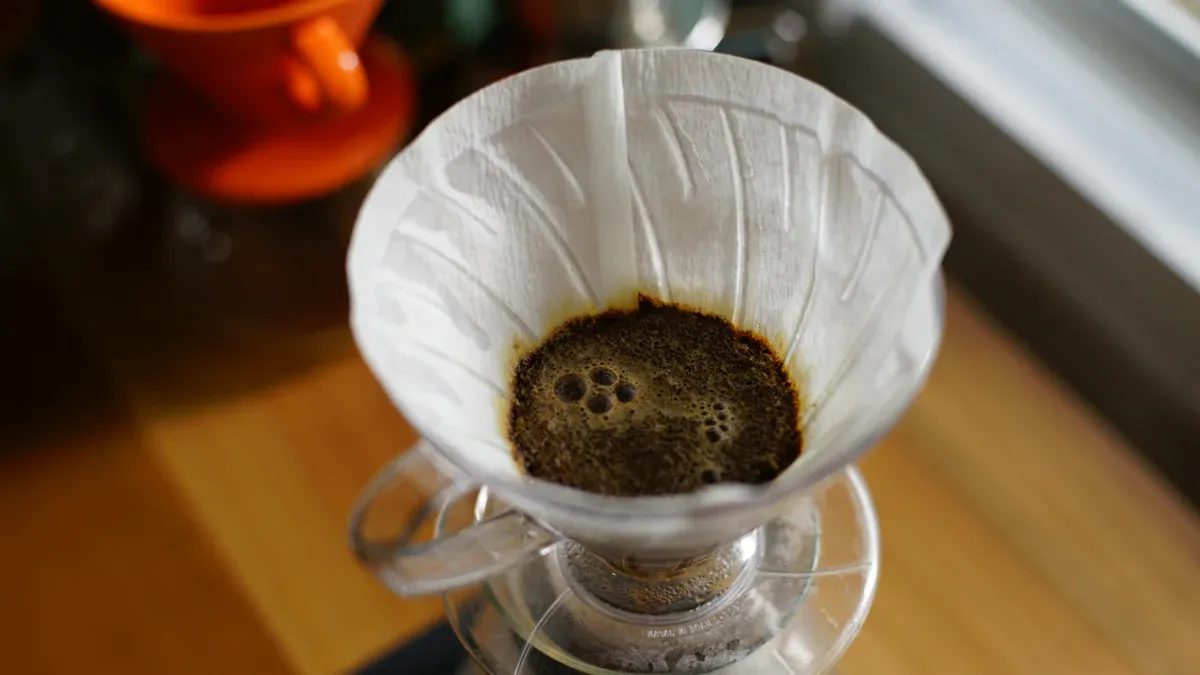
When you brew coffee, you want to get the best flavor in your cup. The type of filter you use changes how your coffee tastes and looks. Paper filters give you a cleaner cup of coffee. They trap most of the oils and tiny grounds, so your coffee tastes bright and smooth. You notice more of the coffee’s acidity and delicate notes. If you like a lighter brew with clear flavor, paper works well.
Metal filters let more oils and fine particles pass through. This makes your coffee taste rich and bold. The body feels heavier, and you get a syrupy mouthfeel. Some people love this style because it brings out deeper flavors. If you want a full-bodied cup, metal is a good choice.
Cloth filters sit in the middle. They block most grounds but let some oils through. You get a balanced cup with both clarity and body. Many people say cloth filters give you better-tasting coffee because you get the best of both worlds.
Plastic filters do not change the flavor much. They hold the filter in place and make brewing coffee easy, but they do not add or remove oils.
Here’s a quick look at how each filter type affects flavor and clarity:
Filter Type | Flavor Profile | Clarity | Body |
|---|---|---|---|
Paper | Clean and bright | High | Low |
Metal | Rich and full-bodied | Low | High |
Cloth | Balanced and smooth | Medium | Medium |
Plastic | Neutral (holder only) | N/A | N/A |
Tip: If you want to explore new flavors, try switching between different filters. You might find a new favorite way to enjoy your coffee brewing experience.
Environmental Impact
You might care about how your coffee habits affect the planet. Some filters are more eco-friendly than others. Paper filters are biodegradable, but many get bleached during production. This process uses energy and can create pollution. Even though paper breaks down, most filters end up in landfills. Only a small number get composted. The U.S. Environmental Protection Agency says only about 4.1% of food waste, including compostable filters, gets composted.
Metal filters are reusable. You can use the same one for years. This means you throw away less trash and help the environment. Metal filters have a low carbon footprint because you do not need to buy new ones often.
Cloth filters are also eco-friendly. You can use them many times, and they last a long time if you take care of them. This reduces waste and supports environmental benefits. Cloth filters are a smart choice if you want to help the planet.
Plastic filters are not as good for the environment. They can add microplastics to your coffee and create pollution when you throw them away. Many people now look for plastic-free ways to brew coffee.
Here’s a table to help you compare the environmental impact:
Filter Type | Biodegradability | Carbon Footprint |
|---|---|---|
Metal Mesh | Reusable, reduces waste | Low |
Paper | Biodegradable, may involve bleaching | Moderate |
Cloth | Reusable, eco-friendly | Low |
Compostable | Designed to break down in compost | Low if composted properly |
Note: Choosing eco-friendly coffee filters helps reduce deforestation, minimizes landfill waste, and supports responsible practices.
Cost and Maintenance
You probably want to know which filter saves you money and time. Paper filters cost less at first, but you need to buy them often. Over time, the cost adds up. You also need to throw them away after each use, which means more trips to the store.
Metal filters cost more when you buy them, but you only need one. You save money in the long run. Cleaning is easy—just rinse or put it in the dishwasher. You do not need to buy new filters every week.
Cloth filters are also reusable. They cost more than paper but less than metal. You need to wash them after each use and let them dry. If you take care of them, they last a long time. This saves you money and helps the planet.
Plastic filters are cheap and easy to clean. You can reuse them, but they do not last as long as metal or cloth. You may need to replace them if they crack or wear out.
Here’s a quick summary:
Paper: Low initial cost, high recurring cost, easy to use, creates more waste.
Metal: High initial cost, low recurring cost, easy to clean, lasts for years.
Cloth: Medium cost, reusable, needs more care, eco-friendly.
Plastic: Low cost, reusable, not as durable, may add microplastics.
If you want convenience, paper and plastic filters are simple. If you want to save money and help the planet, metal and cloth filters are better choices.
Which filter is best for you?
For a cleaner cup of coffee and bright flavor, choose paper.
For a rich, full-bodied taste and less waste, go with metal.
For a balance of clarity, body, and eco-friendly habits, try cloth.
For quick brewing and low cost, plastic works, but think about the health and environmental impact.
You can match your filter to your taste, values, and daily routine. Try different filters to see which one makes your coffee brewing experience the best.
Choosing the Right Coffee Filter
Factors to Consider
When you pick coffee filters, you want to think about what matters most to you. Each choice can change your cup of coffee in a big way. Here are some things you should look at:
The material of the filter changes the taste. Paper, metal, and cloth all give you different flavors.
The shape of the filter makes a difference. Cone-shaped filters bring out more citrus and berry notes, while flat-bottom filters give you sweeter and floral flavors.
If you care about the planet, you might want to avoid single-use paper filters. Reusable options like metal or cloth help cut down on waste.
The thickness and texture of paper filters can also change how your coffee tastes. Thicker filters can make your drink taste cleaner, while thinner ones let more oils through.
Tip: Think about what flavors you love. If you like a bright and crisp cup, try a cone filter. If you want a sweeter taste, a flat-bottom filter might be better.
Matching Filter to Brewing Method
You want your brewing method to match your filter. This helps you get the best cup every time. Here’s a quick guide to help you choose:
Brewing Method | Best Filter Type | What You Get |
|---|---|---|
Drip Coffee Maker | Paper or Metal | Clean or bold cup |
Pour-Over (V60) | Cone Paper | Crisp, clear flavors |
Chemex | Thick Paper | Very clean, smooth coffee |
French Press | Metal Mesh | Full-bodied, rich texture |
Aeropress | Paper or Metal Disc | Clean or strong, depending on filter |
Drip coffee makers work well with both paper and metal filters. You get a clean cup with paper, or a bolder taste with metal. Pour-over methods like the V60 use cone-shaped paper filters. These bring out the natural flavors in your coffee. Chemex uses thick paper filters for a super clean taste. French press uses a metal mesh filter, so you get a full-bodied drink with more texture. Aeropress lets you pick between paper or metal disc filters, so you can choose a clean or strong cup.
Note: Try different filters with your favorite brewing method. You might find a new way to enjoy your coffee every morning!
You have many choices when it comes to coffee filters. Each one changes your coffee in a unique way. Paper, metal, and cloth all affect taste and texture. The shape of your filter matters too. Cone filters bring out bright notes, while flat-bottom shapes work well for darker roasts. Make sure your filter fits your brewer for the best cup. Think about what you want—taste, convenience, or sustainability. Try different filters and see which coffee makes you smile. Share your favorite with friends!
FAQ
What coffee filter gives the cleanest cup?
You get the cleanest cup with paper filters. They trap almost all oils and fine grounds. Your coffee tastes bright and clear. If you want no grit in your mug, paper is your best bet.
How do I clean a metal or cloth coffee filter?
Rinse your filter right after brewing. For metal, use warm water and a brush. For cloth, wash with mild soap and let it air dry. This keeps your coffee tasting fresh every time.
Can I reuse paper coffee filters?
You can reuse some paper filters once if they stay strong and don’t tear. Just rinse out the grounds and let the filter dry. The flavor may change a bit, though.
Which filter is best for the environment?
Reusable filters like metal or cloth help the planet most. You throw away less trash and save resources. Here’s a quick look:
Filter Type | Eco-Friendly? |
|---|---|
Metal | 👍 |
Cloth | 👍 |
Paper | 👎 |
Plastic | 👎 |
Tip: Choose reusable filters if you want to brew coffee and help the Earth!